Boys vs Girls Skyscraper Challenge in Minecraft: What Does It Really Compare?
The useful question is not which gender wins, but whether the buildings are being judged under the same conditions.
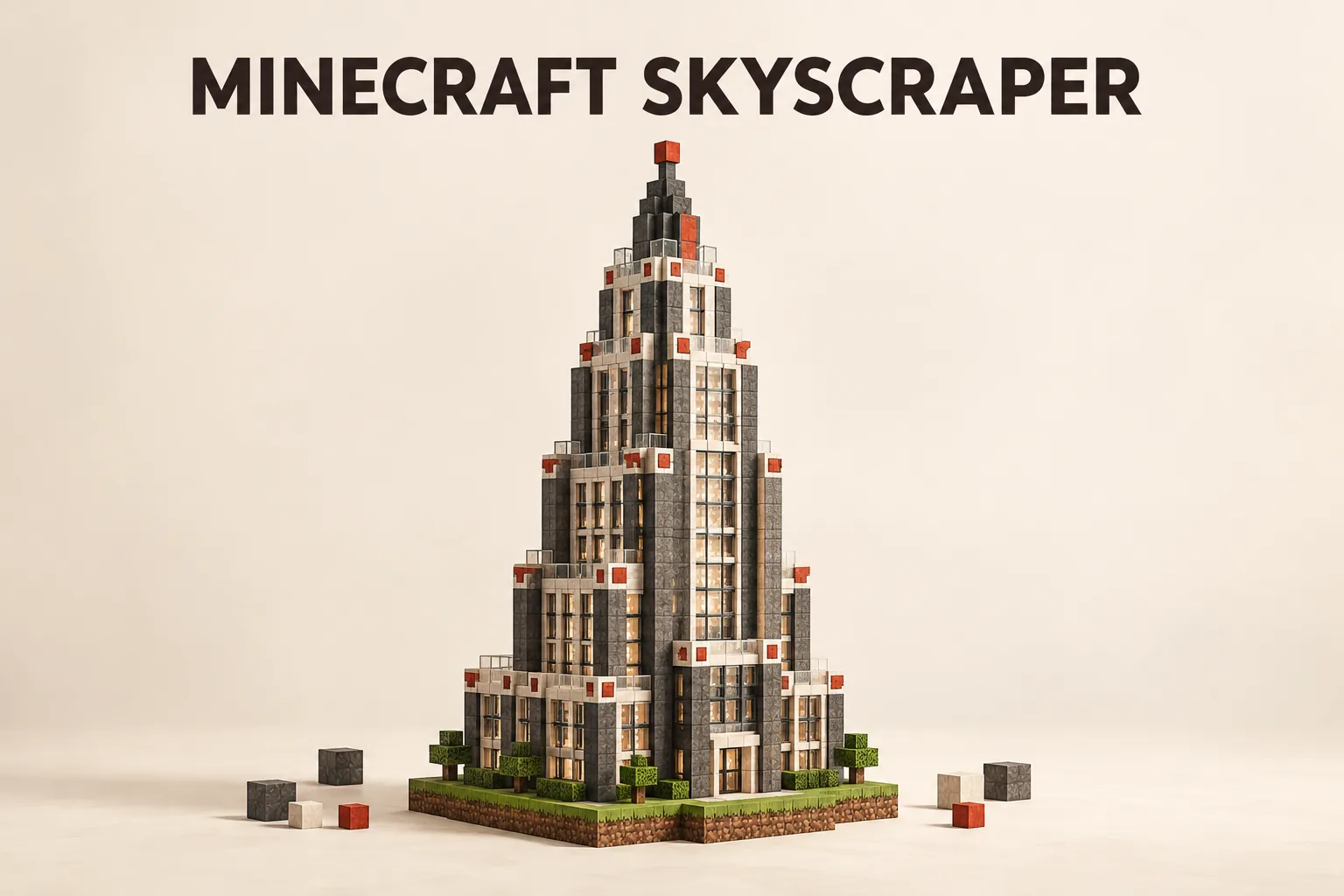
A “boys vs girls” skyscraper challenge sounds as though the group label should determine the result. It cannot. The useful question is what the challenge is actually comparing.
The Xbox India Minecraft page presents Minecraft as a game centred on building, exploration, survival and multiplayer. The Minecraft for Windows listing identifies Creative and Survival as available modes. Neither official page says that boys or girls build better, and neither provides a result for a gender-based skyscraper contest.
Creative mode changes what the challenge measures
Xbox describes Creative mode as providing unlimited resources. That changes the meaning of a skyscraper challenge. In Creative, the comparison is not mainly about who collected more materials. That is an inference from the game condition, not an official scoring rule: with resources available, the visible design decisions carry more weight.
The building’s outline, proportions, façade, entrance and overall identity become easier to discuss than the players’ gender. A tower can be tall and still feel unfinished; another can use a simpler form but communicate its purpose more clearly. Those are judgements about the finished designs, not proof of a difference between the people who built them.
Survival and Creative are not the same contest
The same Xbox India listing names Survival as a separate mode. That matters because a challenge played in Survival would involve different conditions from one played in Creative. Mixing the two would make the comparison unclear: a result could reflect the chosen mode rather than the quality of the skyscraper design.
The official India pages do not specify a time limit, building area, judging system or actual winner for this particular challenge. Those details should not be invented from a discovery headline. They are rules that a creator would need to state before viewers can make a fair comparison.
The gender label is weaker than the design brief
A useful way to read this kind of challenge is to treat “boys” and “girls” as team labels, not explanations. The fair comparison is between the finished buildings under shared conditions: the same mode, the same brief and clearly stated expectations.
That approach also makes the video more interesting. Instead of asking which group is naturally better at building, viewers can ask whether each tower has a clear idea, whether its details support that idea and whether the final design is easy to distinguish from a random stack of blocks.
So who wins?
There is no evidence in the official India sources for saying that boys or girls win. They support a narrower conclusion: Minecraft can support a skyscraper-building challenge, and Creative mode gives builders unlimited resources. The meaningful result must come from the designs and the rules used to compare them—not from the gender labels in the headline.